


Post Operative Lymphatic Massage Houston

Swelling can make the days and weeks after surgery feel unfamiliar. Your clothes may fit differently, your skin can feel tight or heavy, and even resting may require more patience than you expected. Post operative lymphatic massage Houston clients seek is not about pushing through that discomfort. It is a gentle, personalized form of support designed to help you feel more comfortable in your body while you follow the recovery plan set by your surgical team.
Manual lymphatic drainage can be a thoughtful addition to post-surgical care when your surgeon has cleared it and the timing is appropriate for your procedure. The right session respects healing tissue, works within your comfort level, and gives your nervous system a place to fully exhale.
What post-operative lymphatic massage is designed to support
Your lymphatic system helps move lymph fluid through the body and plays a role in fluid balance and immune function. Surgery can temporarily affect normal fluid movement, particularly in the area around an incision or treatment site. That is one reason post-operative swelling is common.
Manual lymphatic drainage, often called MLD, uses light, rhythmic, intentional strokes to encourage fluid movement toward functioning lymph nodes. It is very different from a deep-tissue massage. More pressure is not better in this setting. After surgery, a skilled approach is quiet, measured, and responsive to the way your body is healing.
For many clients, the immediate goal is simple: feel less full, tight, and uncomfortable as recovery progresses. Some people also appreciate the calming quality of gentle touch after a period of disrupted sleep, limited movement, and constant attention to the healing process.
The treatment is not a replacement for your surgeon, prescribed garments, walking plan, medications, wound care, or follow-up appointments. It works best as one part of a recovery plan that has clear medical guidance behind it.
When post-operative lymphatic massage in Houston may be helpful
Post-operative lymphatic support is often requested after cosmetic procedures such as liposuction, tummy tuck surgery, Brazilian butt lift, breast procedures, arm contouring, or facial surgery. However, the best timing, pressure, and treatment area depend on the procedure you had, your health history, and your surgeon's specific instructions.
Some clients come in because their body feels puffy and restricted. Others are further into recovery and want ongoing support as they return to work, exercise, and everyday routines. If you have spent hours at a desk or in Houston traffic while trying to recover, that sense of heaviness can feel especially discouraging. A tailored session can create a quiet pause to reconnect with your body rather than judging it for taking time to heal.
It depends on your individual situation. A session may focus on areas away from an incision first, or it may need to be postponed. The safest care always follows your surgeon's protocol, not a one-size-fits-all schedule.
Before you book, get clear guidance from your surgeon
Ask your surgeon whether manual lymphatic drainage is appropriate, when you may begin, how often they recommend it, and whether there are restrictions around the incision, compression garment, positioning, or range of motion. Bringing written aftercare instructions to your appointment can be helpful.
You should also share the details that shape a safe session: the date and type of procedure, current symptoms, medications, compression requirements, and any history of lymphedema, blood clots, heart or kidney concerns, infection, or cancer treatment. This is not extra paperwork for its own sake. It helps your massage therapist choose an approach that honors your recovery.
What a thoughtful session feels like
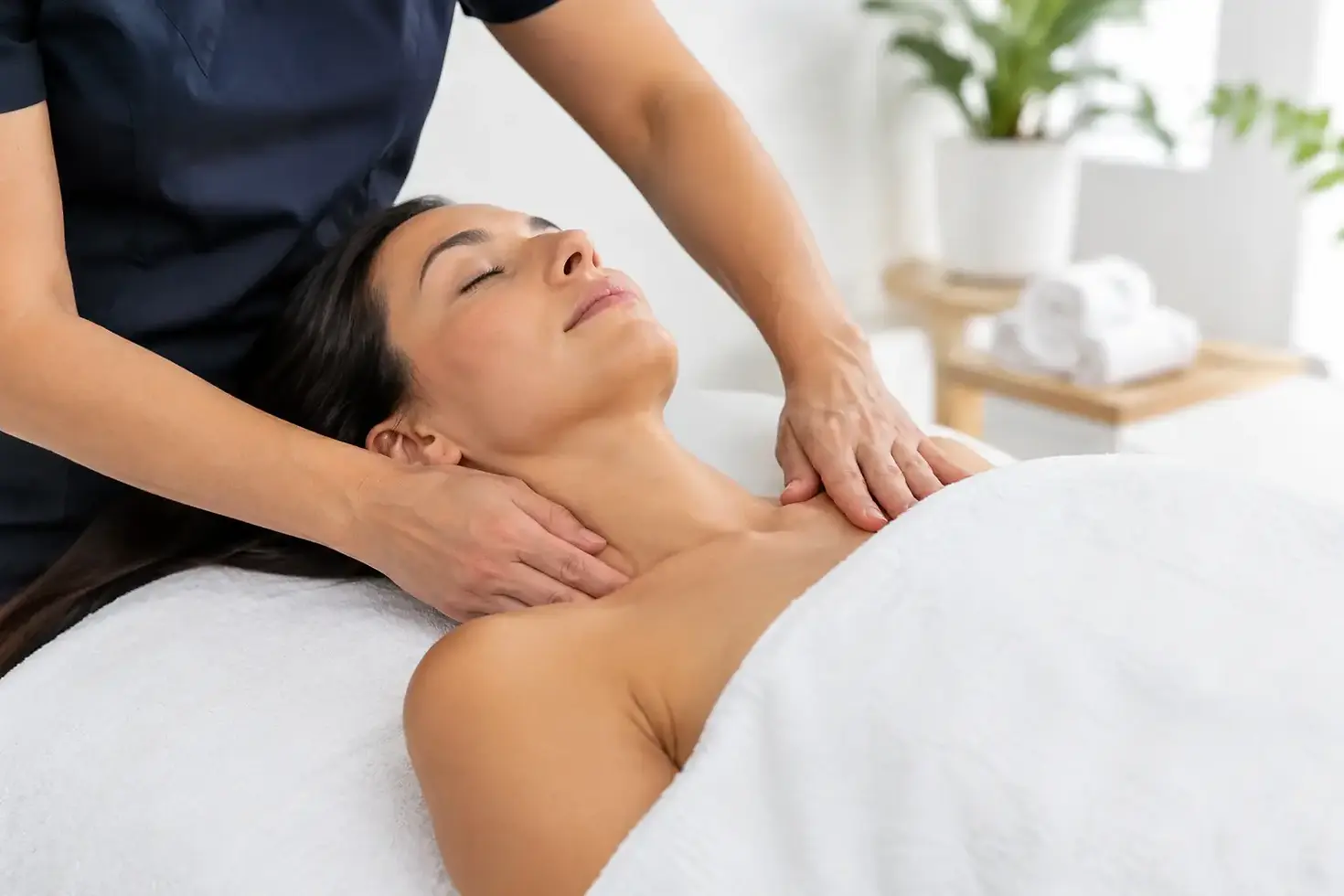
The word massage can create an expectation of firm pressure and muscle work. Post-operative manual lymphatic drainage is usually much gentler. Your therapist may begin by encouraging drainage pathways in areas that are not directly involved in surgery, then use soft, slow movements to support fluid movement in approved treatment areas.
You may rest on your back, side, or in another position that protects your comfort and surgical restrictions. Pillows, bolsters, and careful transitions matter. If a movement feels tender, pulling, dizzying, or simply wrong, say so. Good bodywork is collaborative, especially when your body is still asking for extra care.
A session may include gentle manual lymphatic techniques and, when appropriate, soothing work around areas of tension created by guarded posture. For example, recovering clients often hold their shoulders high, clench the jaw, or breathe shallowly without realizing it. The goal is never to work aggressively around surgical tissue. It is to support comfort throughout the body.
You may feel relaxed or sleepy afterward, and you may notice that moving feels easier. Results vary, and progress is rarely perfectly linear. Some days your swelling may look or feel different because of activity, heat, hydration, sleep, hormones, compression, and the normal rhythms of healing.
What post-operative lymphatic massage should not involve
A post-surgical session should not be painful, bruising, or forceful. It should not promise to eliminate swelling overnight, correct a surgical result, or replace medical evaluation. Be cautious of anyone who treats intense discomfort as proof that the work is effective.
Avoid massage and contact your surgeon or medical provider promptly if you have fever, increasing redness or warmth, new or worsening pain, shortness of breath, chest pain, sudden one-sided swelling, unusual drainage, an open wound, or any symptom that concerns you. These are medical questions, not massage questions.
If you are waiting for clearance, you can still support recovery by following your surgeon's instructions, wearing compression as directed, taking approved walks, resting well, staying hydrated according to your care plan, and giving yourself more time than your inner critic may want to allow.
Why a personalized plan matters
Recovery can feel strangely public and private at the same time. People may comment on visible changes without understanding the tenderness, fatigue, or emotional adjustment underneath. A personalized care plan makes room for the whole experience, not just the swollen area you want to change.
At RTB Spa, post-operative lymphatic support is approached with a calm, practitioner-led focus on comfort, circulation, and body connection. Your appointment can be shaped around your surgeon's aftercare guidance and your current capacity that day. Some clients benefit from a short series during an approved phase of recovery, while others prefer occasional sessions as they transition back into regular wellness care.
The frequency should be based on your procedure, clearance, symptoms, budget, and how your body responds. More appointments are not automatically better. Consistent, appropriately timed care is more valuable than chasing a rushed result.
Preparing for your appointment
Come in wearing loose, comfortable clothing and bring any relevant aftercare directions. If you wear a compression garment, ask your surgeon whether it should stay on during the session or be removed briefly. Eat something light beforehand if that feels best for you, arrive with enough time to settle, and plan a gentler evening afterward when possible.
Most of all, be honest about how you feel. Healing does not need to look graceful to be real. Whether you are feeling swollen, tender, impatient, relieved, or emotionally worn down, your body deserves care that listens first. With proper clearance and a gentle plan, post-operative lymphatic massage can become one small, steady way to come back to yourself.
Comments